Gutter Cleaning in Cherry Hill: Why It Matters and How to Do It Right
 By Bob Millaway
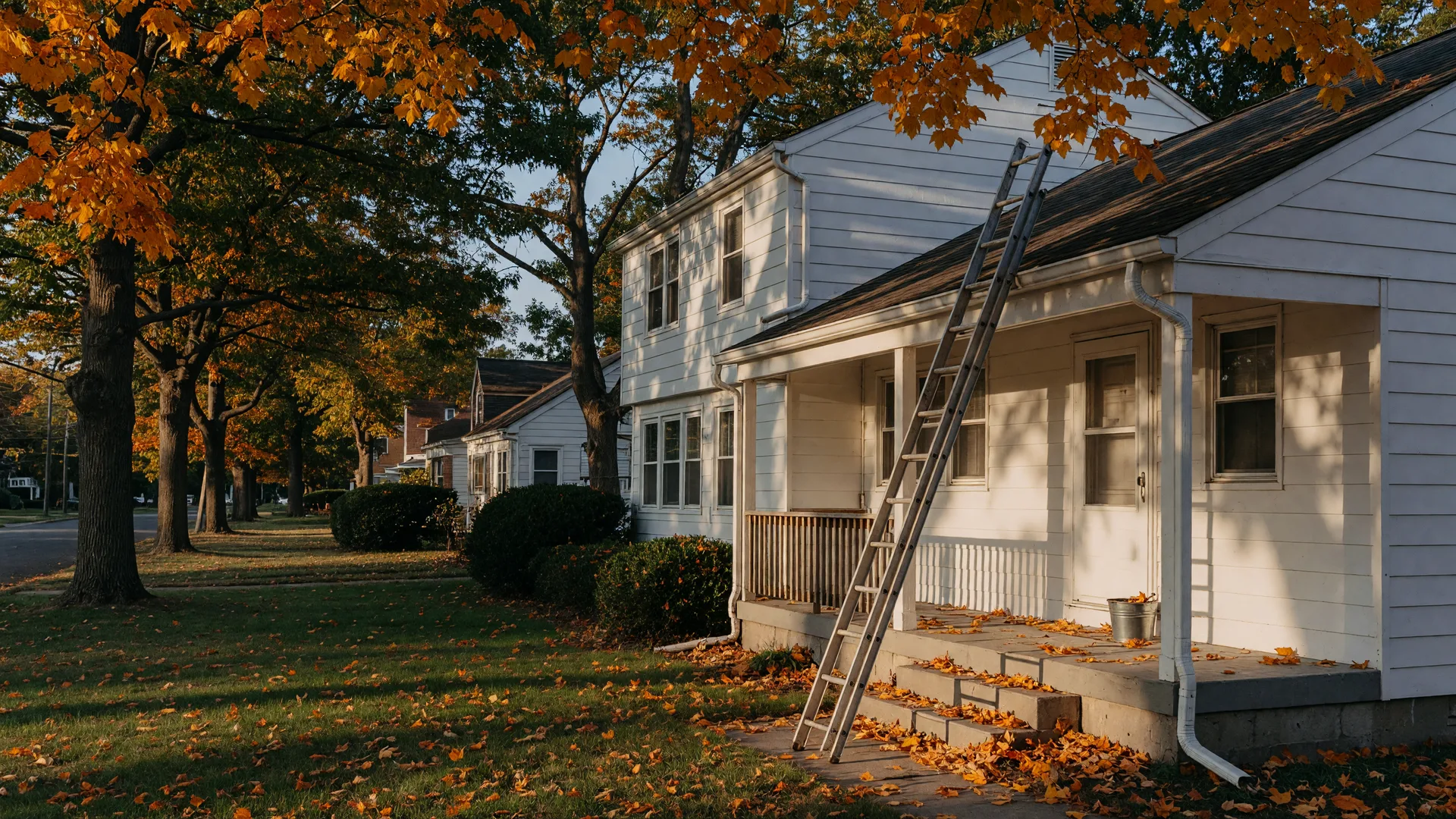
Gutter cleaning is one of the most important fall chores for a Cherry Hill home, and it is also one of the easiest to put off. When the oak and maple leaves that line neighborhoods like Woodcrest, Barclay, and Downs Farm pack into your gutters, rainwater stops draining where it should and starts finding its way into your basement, your foundation, and the edge of your roof. The good news is that a few hours of work, or one well-chosen professional visit, protects the most expensive parts of your house. This guide covers how often to clean, what actually happens when you do not, and how to decide between a Saturday on the ladder and a call to a pro.
Why do gutters matter so much in Cherry Hill?
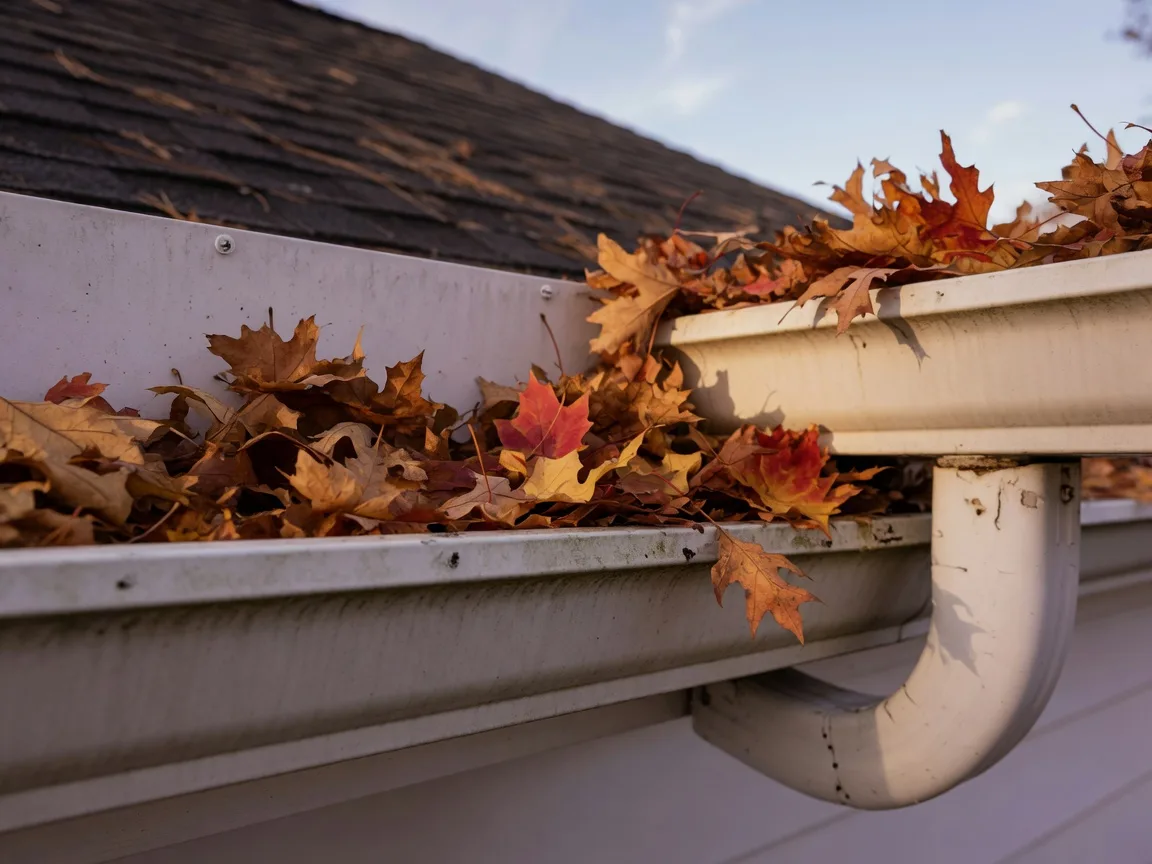
Cherry Hill is one of the leafiest towns in Burlington County. Mature trees shade the mid-century streets of Woodcrest, Kingston Estates, and the neighborhoods around Croft Farm, and every September and October they drop a remarkable amount of debris into the gutters of the homes beneath them. On a house with a typical roof, a clogged gutter can hold several hundred pounds of wet leaves and water, and that weight bends the gutter, pulls it away from the fascia, and sends water spilling over the edge instead of down the downspout.
Where does that overflow water go? Straight down the exterior wall and into the soil against your foundation. Cherry Hill sits in the Cooper River watershed, with a water table that is already high in many neighborhoods, so water that pools at the base of your house has an easy path into a basement. The homes that deal with damp basements and cracked foundations are very often the ones whose gutters were full the previous fall. If you have seen water in your basement after a heavy rain, the basement flooding guide walks through the causes, and gutters are always near the top of the list.
How often should you clean your gutters in Cherry Hill?
The standard advice for a leafy suburb like Cherry Hill is at least twice a year: once in late spring, after the seed pods and pollen finish falling, and once in the fall, after the big leaf drop. Homes with trees that overhang the roof, which describes a large share of Cherry Hill, usually need three or four cleanings a year, and every home should be spot-checked after a heavy storm.
The fall timing matters most. The township's curbside leaf collection in 2026 begins the week of October 20, which is a useful marker: when the leaves are coming down hard enough to fill the street, they are filling your gutters too. Plan a gutter cleaning for late October, and again after the last of the oak leaves fall in November if your trees are heavy. The leaf collection guide has the full 2026 schedule and the rules for what belongs at the curb.
What happens when gutters clog?
A clogged gutter does not just overflow in the rain; it starts a chain of problems that get more expensive the longer they go unnoticed:
- Basement water. Overflow runs down the foundation, pools at the base, and seeps through cracks and the cove joint. This is the most common gutter-related complaint from Cherry Hill homeowners, and it is entirely preventable.
- Ice dams. In winter, trapped water backs up and refreezes at the eaves, lifting shingles and pushing water under the roof edge. Ice dams are a January problem caused by an October decision.
- Fascia and siding rot. Water spilling over the front of the gutter rots the wood behind it and stains the siding below.
- Pests. Standing water in a clogged gutter breeds mosquitoes, and the damp leaf pack is a welcome mat for ants, rodents, and birds nesting at the roofline. The winter pest-proofing guide covers the entry points that matter most as the weather turns.
- Structural weight. Wet leaves are heavy. A gutter full of them can pull away from the house or bend at the hangers, which turns a cleaning job into a replacement job.
How do you clean gutters safely?
If you are comfortable on a ladder, the job is straightforward. Work on a dry day, use a sturdy extension ladder on level ground with the feet locked, and keep three points of contact at all times. Never lean the ladder against the gutter itself; rest it against the fascia or use a ladder standoff. Wear heavy gloves, scoop the debris into a bucket hooked to the ladder, and finish by flushing the downspouts with a garden hose to confirm they run free.
While you are up there, check the things that a cleaning alone does not fix: hangers that have pulled loose, seams that have separated, and gutters that sag between hangers because the pitch is wrong. Water should flow toward the downspout, and a quick hose test tells you whether it does. If the downspout is clogged lower down, a plumber's snake or a blast from a hose with a nozzle usually clears it.
Should you hire a professional gutter cleaner?
There is no shame in paying for this one. A two-story house in Cherry Hill, a steep roof pitch, a tricky roofline over a garage, or a homeowner who simply does not want to be on a ladder are all good reasons to call a pro. Professional gutter cleaning in South Jersey is usually quoted by the linear foot or by the number of stories, and the service should include clearing the downspouts and hauling away the debris.
When you compare companies, ask three questions: Are you licensed and insured? Do you flush the downspouts as part of the clean? And will you flag problems like loose hangers or damaged seams while you are up there? A good cleaner points out the repairs; a great one does the cleaning and tells you exactly what to watch. The contractor guide has a full checklist for vetting anyone who works on your home, and it applies to gutter crews as much as it does to roofers.
Do gutter guards actually work?
Gutter guards, the mesh, foam, brush, and reverse-curve covers sold at every home improvement store, reduce how often you need to clean, but they do not eliminate it. On a leaf-heavy Cherry Hill property, guards keep the big debris out of the trough while smaller leaf fragments, seeds, and roof grit still wash in and settle. You will clean less often, but you still need to check the guards themselves, because a guard covered in leaves can shed water over the edge just like a clogged gutter.
Guards make the most sense on rooflines that are hard to reach, like a second-story section over a two-car garage, where every cleaning is a ladder risk. On a one-story ranch where you can reach everything from a stepladder, the cost of the guards is often better spent on a twice-yearly cleaning. And if you are considering guards, have the gutters cleaned and inspected first; installing covers over an existing problem just hides it.
How do you keep water moving away from the house?
Clean gutters are only half the system. The downspout has to carry the water somewhere useful, and in Cherry Hill, where many homes sit on flat, well-drained lots, that means extending the discharge away from the foundation. Add a downspout extension so the water lands several feet from the house, or use a splash block to slow the flow and spread it out. Check that no downspout empties against the foundation wall, onto a walkway that will ice over in January, or into a low spot next to the house.
The soil grade matters just as much. Over the years, the ground around a foundation settles, and the slope that once carried water away starts carrying it toward the house. A weekend of adding topsoil so the grade falls away from the foundation is one of the highest-value landscaping jobs a Cherry Hill homeowner can do, and it protects the same vulnerable spot as the gutters.
When do gutters need replacing instead of cleaning?
Cleaning does not fix a gutter that is past its useful life. Plan for replacement when you see rust holes, separated seams, gutters that sag even after the debris is out, or water stains on the fascia board behind the gutter. Most Cherry Hill homes have seamless aluminum gutters, which have no seams to leak and are formed on site, and a full replacement is a modest project for a licensed contractor. If the roof is nearing the end of its life too, doing both at the same time saves money and keeps the flashing detail clean. Roofing and other structural work generally requires a township building permit, so check the permit guide before scheduling that kind of project.
Does gutter maintenance affect your home's value?
It does, in ways that show up at the inspection table and in the first impression a buyer gets from the street. Stained siding, a damp basement, and gutters hanging loose at the roofline are exactly the kind of deferred maintenance that makes buyers nervous, and they are visible in the listing photos. A house with clean gutters, dry downspouts, and a grade that carries water away reads as well cared for, and that perception is worth real money in a market like Cherry Hill, where buyers compare homes block by block. If you are thinking about selling, the Cherry Hill Real Estate Market guide covers timing and pricing, and the fall maintenance checklist is the place to start getting the property ready.
The best time to clean your gutters is before the leaves finish falling, not after the first storm. Have questions about Cherry Hill and what it takes to keep a home here in great shape through every season? Contact Bob Millaway at 856.426.1522, and Bob will point you to the right contractor, the right checklist, and the right move for your house.
Keep Exploring Cherry Hill
More guides from Bob Millaway to help you love where you live.
Written by Bob Millaway
Your Cherry Hill community expert. Have questions about Cherry Hill and getting your home ready for every season? Contact Bob Millaway at 856.426.1522 or get in touch.