Basement Flooding in Cherry Hill: Causes, Prevention, and Sump Pump Care
 By Bob Millaway
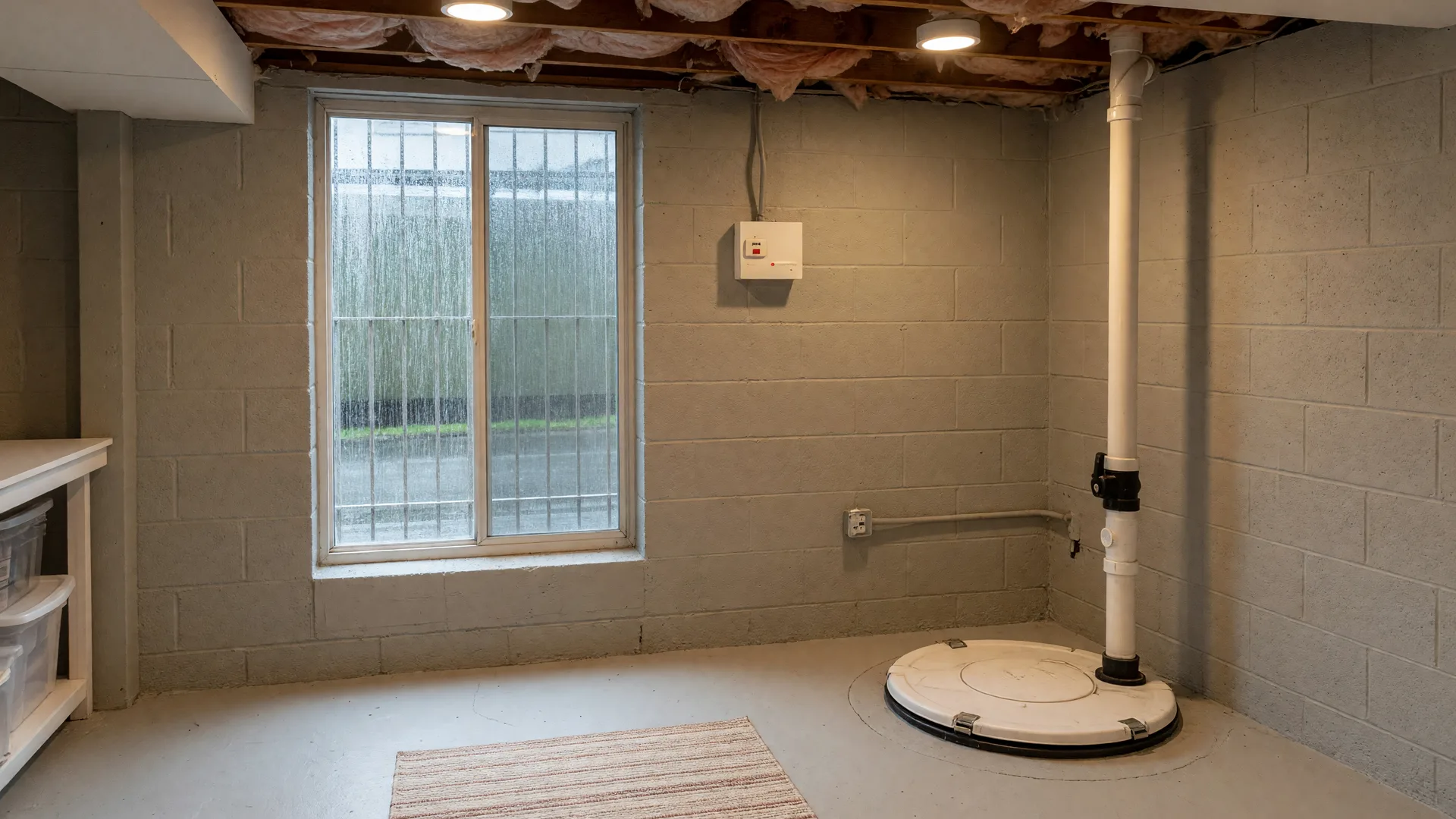
Basement flooding in Cherry Hill is not a matter of whether a rainstorm will test your home, but which one will. The township sits on clay-heavy soil with a high water table, much of the housing stock was built in the 1950s through the 1970s with below-grade basements, and the Cooper River with its tributaries runs through low-lying parts of town. Water gets into a Cherry Hill basement three main ways: hydrostatic pressure from groundwater, creek overflow during heavy storms, and sewer backup in older lines. This guide explains which risk applies to your neighborhood, how a sump pump protects you, and the exact maintenance that keeps the water out this storm season.
Why do basements flood in Cherry Hill?
The most common cause is groundwater, not a creek. Cherry Hill's clay soil drains slowly, so after several days of rain the water table rises right under the township. That water presses against basement walls and floors with hydrostatic pressure, and it finds the path of least resistance: hairline cracks in the concrete, the joint where the floor meets the wall, and floor drains. Homes in neighborhoods built on older fill, including parts of Kingston Estates, Woodcrest, and Ashland, tend to see this type of seepage first.
Creek overflow is the second cause. The Cooper River crosses the southwest corner of town, and Pennykill Creek plus the smaller Cropwell and Kresson Brooks drain the surrounding neighborhoods. In heavy, sustained storms those waterways rise fast and flood the low ground around them. The worst modern example was the June 2019 flash floods, when water rose so quickly that boat rescues were needed in the Kensington Estates area. The third cause is sewer backup: many older township lines are clay or cast iron, and when a big storm overwhelms the system, or tree roots and grease block a pipe, water and sewage back up through basement floor drains.
Which Cherry Hill neighborhoods are most at risk?
Risk is not spread evenly across town. FEMA flood maps put the corridors along the Cooper River and Pennykill Creek in Zone A and Zone AE, the high-risk areas with a 1 percent annual chance of flooding, where flood insurance is required for federally backed mortgages. That includes low-lying stretches around Barclay, Ellisburg, and areas near King George Road. The great majority of the township, by contrast, sits in Zone X, the low to moderate risk areas, where homeowners still see groundwater seepage but rarely see over-the-bank creek water.
Cherry Hill updated its Flood Hazard Ordinance in 2023 using revised Cooper River Basin flood maps, so the official boundaries shifted for some properties. Before you buy, sell, or renovate, check your address on the township's interactive flood map at chnj.gov or on FEMA's Flood Map Service Center at msc.fema.gov. The full breakdown of what each zone means is in the Cherry Hill Flood Zone Guide.
Does your home need a sump pump?
A sump pump is a small electric pump set in a pit at the lowest point of the basement. Groundwater drains into the pit through the gravel and pipe below the floor, and when the water rises to the float switch, the pump turns on and pushes it out through a discharge pipe to the yard, well away from the house. If there is no sump pump, that same water sits under the slab and finds its way through the floor instead.
In Cherry Hill, most homes with full basements were built with a sump pit, and many crawl spaces have one too. If your house has a pit but no pump, or a pump so old it has a metal tank and a cloth-covered cord, that is your number one storm-season project. If you are house hunting, ask about the pump the way you ask about the roof: where the pit is, when the pump was replaced, and whether it ran during the last big rain. Buyers' agents in town hear the phrase "the basement stays dry" on every tour, and the maintenance records are what make it believable.
How often should you test and maintain your sump pump?
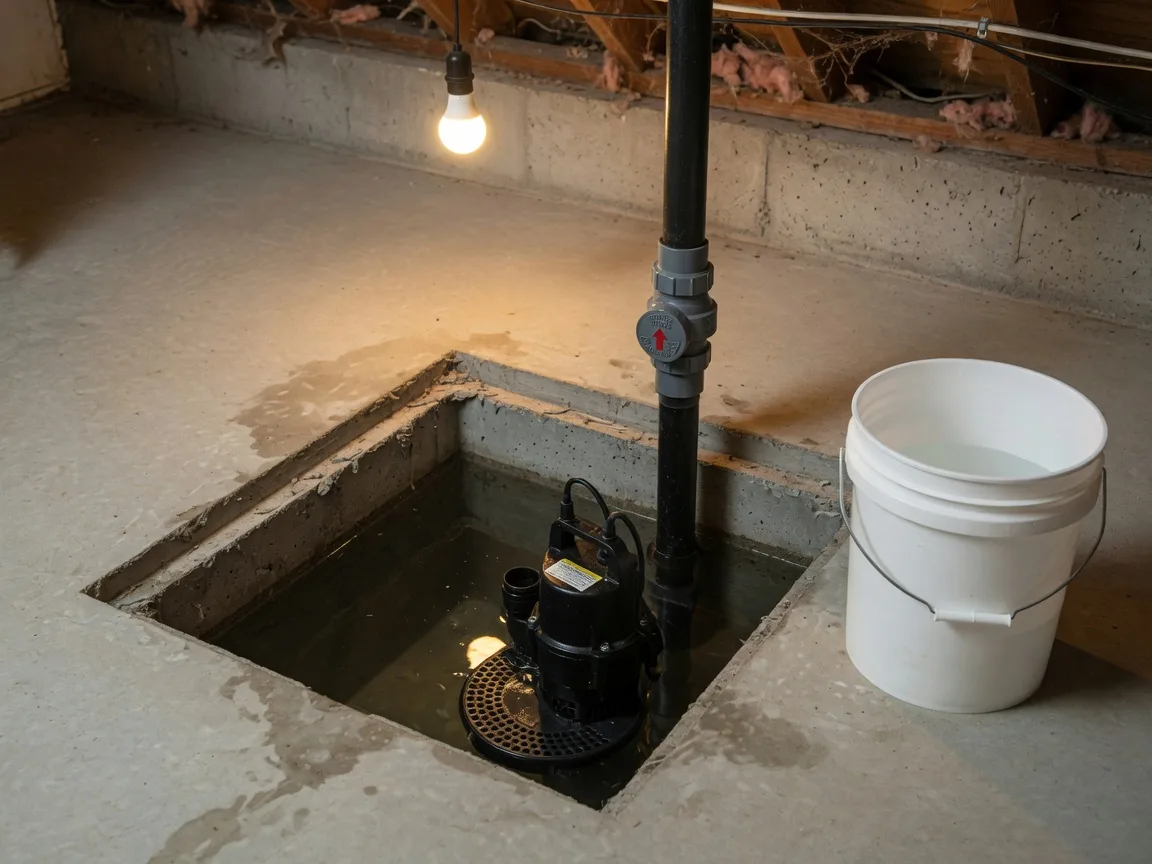
The monthly test takes two minutes: pour a bucket of water into the pit, watch the float rise, and confirm the pump kicks on and drains the pit completely within a minute or two. Do this test now, before the fall storm season, and again before the spring thaw when the water table is highest. If the pump hums but does not pump, or runs and runs without emptying the pit, fix it before a storm does the testing for you.
- Clean the pit. Dirt, gravel, and debris bind the float switch or clog the intake screen. Reach in and clear it out once or twice a year, and keep the small stones away from the pump's base.
- Check the discharge line and check valve. The check valve stops water from flowing back down the pipe after each cycle, so the pump does not short-cycle. If the pump runs constantly, the check valve is the first suspect.
- Know the pump's age. Sump pumps typically last 7 to 10 years, and replacement is far cheaper than a flood. If yours is past that age, replace it on your schedule, not the storm's.
- Add a sealed lid and an alarm. A gasketed cover keeps radon and odors out and muffles the noise, and a high-water alarm on the wall warns you the moment the pit rises above the pump's reach.
Power failures are exactly when pumps are needed most, so a battery backup is the difference between a dry basement and a claim. The backup pump sits on the same discharge line and switches on when the main pump stops or the power goes out. Test it monthly by unplugging the main pump and watching the backup take over, and replace the backup battery every 2 to 3 years, more often if you lose power frequently. Homes on municipal water, which covers most of Cherry Hill, can also use a water-powered backup that runs on water pressure instead of battery.
How do you keep water away from the foundation in the first place?
The cheapest flood defense is outside the house, not inside it. Every storm sends the same volume of water either into your drainage system or toward your foundation, and a few Saturday-morning chores decide which. Walk the house after the next rain and check these four things:
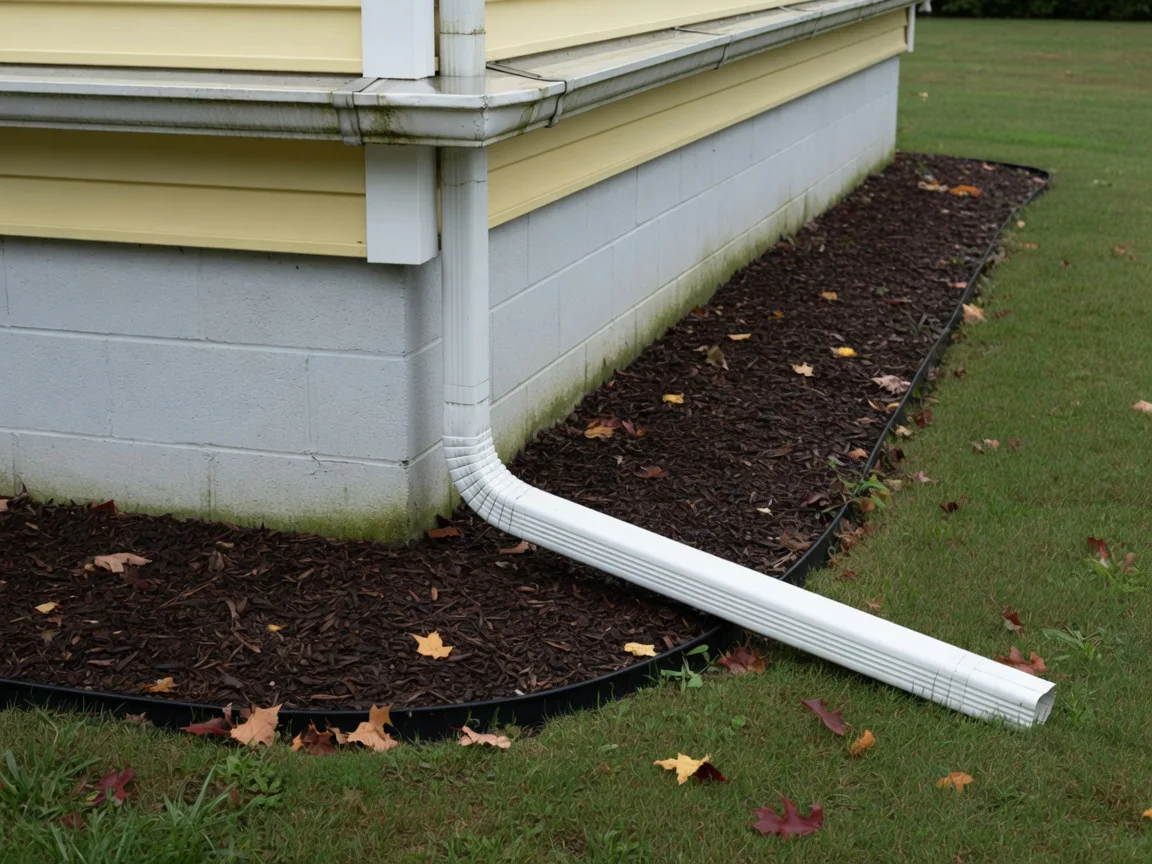
- Gutters and downspouts. Clogged gutters overflow straight down the foundation wall. Clear them after the big leaf drop, and make sure every downspout has an extension carrying water several feet away from the house onto the lawn, not dumping against the footing.
- Grading. Soil and mulch beds should slope away from the foundation for the first 6 to 10 feet. A bed that dips toward the house funnels every rainfall into the basement.
- Storm drains and catch basins. Leaves cover the grate in October and the water pools in the street. Sweep the catch basin near your property clear so the township's system can do its job.
- Window wells. Low basement windows collect runoff in the well. Keep them covered and the gravel below the window level, and the water stays out.
All of this outside work pairs naturally with the seasonal home maintenance checklist, which walks the same chores across all four seasons. Even an inch of standing water in a finished basement can mean thousands of dollars in damage to drywall, flooring, and stored belongings, which makes the hour it takes to extend a downspout one of the best investments of the fall.
What should you do if your basement floods?
First, identify what came in. Clear rainwater from groundwater seepage is one thing; water with sewage is another. If the water smells foul or looks gray or black, it is a sewer backup, a health hazard, and you should stay out of the lower level and call a plumber or restoration company immediately. Do not run fans or a shop vac on sewage water, and do not mix bleach with it; that combination creates dangerous fumes.
For clear water, kill the power to the lower level at the breaker before you step into standing water, then use a pump or shop vac and move anything waterlogged outside. Photograph everything before you touch it, insurance claims move faster with a full record, and call your insurer the same day to start the claim. Standard homeowners policies generally do not cover flood damage from rising water, and sewer backup usually requires a separate endorsement, so the homeowners insurance guide and the Flood Insurance Guide are worth reading before the next storm, not after it. Let the basement dry completely before patching, painting, or finishing anything, and for structural cracks in walls or floors, bring in a contractor who specializes in waterproofing from the contractors guide.
Does basement flooding affect a home's value in Cherry Hill?
It affects every transaction in one way or another, because buyers ask the question on every tour. In New Jersey, sellers must answer honestly about past water problems, and a home with a musty basement, water stains on the walls, or a dead pump reads as risk right away, no matter how good the rest of the house is. A home with a clean, dry basement, a recent pump, and a short folder of maintenance receipts reads as cared for, and in competitive neighborhoods like Barclay-Kingston and Woodcrest that is often the detail that tips a buyer between two similar houses.
If you are selling this fall, walk the basement with a buyer's eyes before the photographer arrives, and fix the small tells: the rust ring around the pit lid, the stained corner, the box of belongings sitting on the floor. The Cherry Hill Real Estate Market guide covers pricing and timing, and a dry basement is the quiet foundation that every offer is built on.
The best time to protect your basement is before the next storm, and the next storm in South Jersey is always closer than it looks. Have questions about Cherry Hill? Contact Bob Millaway at 856.426.1522, and Bob will point you to the right waterproofing contractor, the right questions to ask a seller, and the right home for your family. More everyday guidance is in the Homeowner Resources library.
Keep Exploring Cherry Hill
More guides from Bob Millaway to help you love where you live.
Written by Bob Millaway
Your Cherry Hill community expert. Have questions about Cherry Hill and keeping your home dry through every season? Contact Bob Millaway at 856.426.1522 or get in touch.