Fall Home Maintenance Checklist for Cherry Hill Homeowners
 By Bob Millaway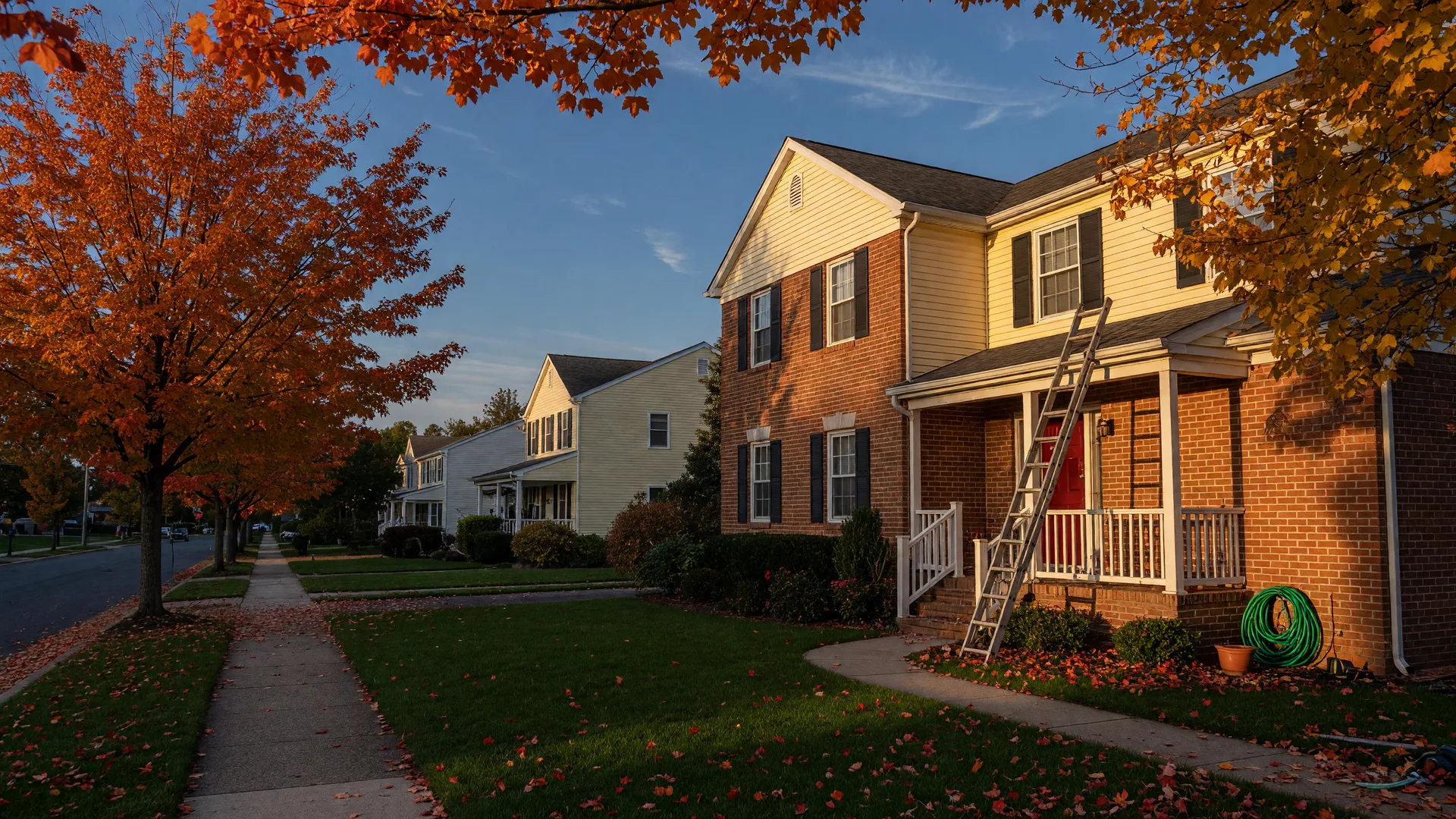
Fall in Cherry Hill is one of the most beautiful seasons of the year, with color on the trees along Route 70 and the Harvest Festival at Croft Farm on the calendar. It is also the window when the work you do outdoors and the systems you check indoors decide how well your home weathers a South Jersey winter. The typical first frost in Cherry Hill lands on or around late October, so mid-September through mid-October is your project season. This guide walks through the fall maintenance tasks that matter most for Cherry Hill homes, in the order worth doing them.
When should you finish fall maintenance in Cherry Hill?
The deadline that drives everything on this list is the first hard freeze, not a date on a calendar. The average first frost in Cherry Hill arrives in late October, around October 25 most years, and in a cold year it can come during the first two weeks of October. Work backward from that date: finish the outdoor water work and the furnace check between mid-September and mid-October, and save indoor tasks like smoke alarm batteries and weatherstripping for the second half of October. The township portal at chnj.gov keeps the recycling bulletin, the leaf collection schedule, and the street cleaning notices in the same place, and pairing those deadlines with your own checklist day keeps you ahead of the season.
Most homes in Cherry Hill heat with natural gas, and your gas and electric provider, PSE&G, serves nearly the whole township. That means the first truly cold night in October is when every furnace in town gets its trial by fire, so do not wait for that night to discover a problem.
What fall maintenance does your heating system need?
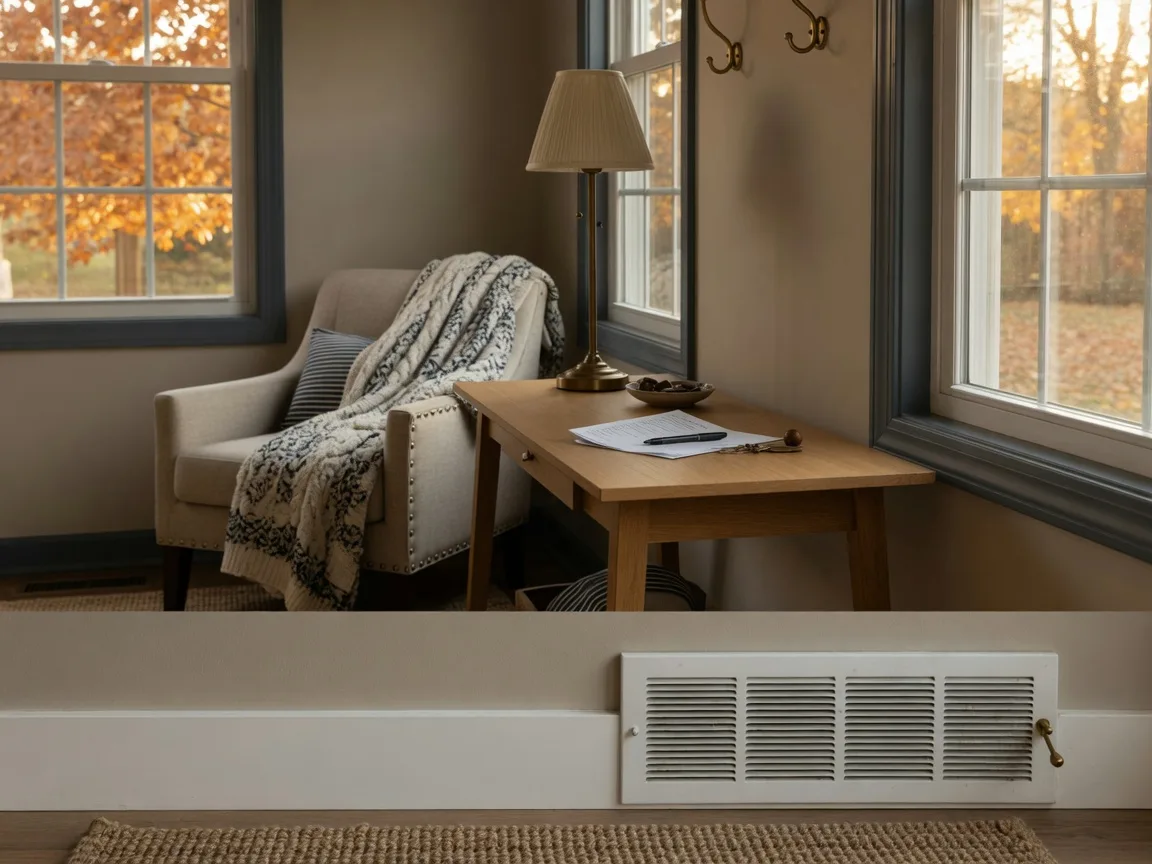
At the top of any fall list for Cherry Hill is the furnace. Book a licensed HVAC technician for an annual tune-up early in the season, before every schedule fills up, and the technician will check the burners, the heat exchanger, the blower, and the duct connections in about an hour. A tune-up done in September or early October means you never think about your heat again until spring.
- Change the filter. A clean filter keeps the blower running efficiently and improves indoor air quality. During the heating season, swap it every one to three months, more often if you have pets or a busy family.
- Test carbon monoxide alarms. New Jersey law requires CO detectors in homes with fuel-burning appliances such as a gas furnace or gas water heater, which covers most Cherry Hill homes. Test every alarm and replace the batteries in the fall.
- Consider a smart thermostat. A programmable thermostat pays for itself across one heating season, and PSE&G routinely offers rebates on energy-saving upgrades. The energy savings guide lists the incentives available to Cherry Hill homeowners.
Do you need to blow out your sprinkler system?
Yes, if you have underground lawn irrigation, this is one of the most important fall chores for a Cherry Hill yard. Water left in the lines freezes, expands, and cracks the fittings and heads under the grass, and that repair costs much more than the blowout service. Most lawn and irrigation companies offer sprinkler blowouts between late September and October for a modest fee: they run compressed air through the lines until every drop is out. The landscaping companies that keep lawns in Barclay-Kingston and Woodcrest, where irrigation is common, can usually add a blowout to a regular fall visit.
Which outdoor tasks matter most before the first frost?
A few hours outside in October can prevent the most expensive winter calls. Walk the perimeter of your house and work through these in one afternoon:
- Disconnect and drain the hoses. Remove the garden hoses from the spigots, store them, and drain any water still inside so a frozen hose does not crack the sillcock or the pipe behind it.
- Shut off outdoor water. If you have an interior shutoff valve for your outdoor spigots, close it and drain the line. This is the single best protection a Cherry Hill home has against burst pipes.
- Clean the gutters and downspouts. Fall leaves pile up quickly and clogged gutters cause ice dams and basement water. Clear the gutters at least once in late October and again after the big leaf drop if your trees are heavy.
- Check the roof and trim branches. Look for lifting or missing shingles and any limbs hanging over the roof. A weak branch full of wet snow in January is what brings a ridge down.
- Keep storm drains clear. The water from a downpour moves fast, so sweep leaves away from the catch basin near your property to prevent neighborhood pooling.
Fall yard cleanup pairs with the township's two curbside leaf collection rounds, which in 2026 begin the week of October 20. The leaf pickup map lives on the township website, and the rules are simple once you know them. The full Leaf Collection 2026 guide covers the dates and what belongs at the curb.
How do you protect pipes on cold nights?
October is a good time to find your main water shut-off and confirm the handle turns easily. When your shut-off is easy to reach before an emergency, a broken pipe turns into a repair instead of a crisis. For pipes in a crawl space, unheated basement, or attic, add foam pipe insulation sleeves. On the coldest nights of the year, many South Jersey homeowners run a slow trickle from a cold tap to keep water moving. Knowing how water and sewer service work, including what new residents need to set up, is covered in the utilities guide.
What should you check inside your home each fall?
Once the yard is buttoned up, this indoor list takes about an hour, starting with a smoke alarm test while you change the clocks:
- Smoke and CO alarms. Test every detector and replace the batteries. Most detectors have about a 10-year lifespan, so if any alarm has reached its replacement date, swap it out.
- Weatherstripping and windows. Drafty windows and doors are where the heat escapes and the bills grow. Check the seals and replace the weatherstripping that is cracked or compressed.
- Attic insulation. A quick look in the attic tells you a lot: if you can see the floor joists clearly or the insulation is thin, adding a layer pays off for every winter after this one.
- Fire safety. Check the kitchen extinguisher pressure and confirm the whole family knows two escape routes if a fire breaks out.
These small tasks are exactly what the Homeowner Resources library is for, and the full seasonal home maintenance guide organizes the same checks for all four seasons on a single page.
When should you call a contractor instead of handling it yourself?
Chimney sweeping, furnace tune-ups, and sprinkler blowouts are the three fall jobs worth paying a professional: a chimney sweep prevents chimney fires, a technician's heat-exchanger check keeps combustion gases where they belong, and a blow-out needs an air compressor at the right pressure. Electrical work should always go to a licensed electrician. And keep the township rules in mind: if the fall checkup shows your roof needs replacing, know that roofing in Cherry Hill generally requires a building permit, and the project needs a properly licensed New Jersey contractor. The home improvement permit guide explains when a permit is required in the township before work begins.
Does fall maintenance affect what your home is worth?
It does, in ways that never show up on a listing. A home with a serviced furnace, a clean yard, and a tidy approach from the street reads as well cared for, and that first impression matters the moment buyers pull up for a showing. In established Cherry Hill neighborhoods like Barclay-Kingston, Woodcrest, and Downs Farm, the homeowner who keeps the curb line clean and the systems maintained is the one buyers want, whether the listing lands in the fall or the spring. A house that winters poorly, with a damp basement, cold drafts, and an anxious owner, is the one that lingers.
If you are weighing a move in the next season, keep your maintenance records together. A short folder of tune-up receipts and repair dates is a quiet plus at the inspection table, and it pairs well with the Cherry Hill Real Estate Market guide when you decide on timing. Homes that winter well always have the seasons working in their favor.
The best time to get ahead of the season is now. Have questions about Cherry Hill and what it takes to keep a home here through every season? Contact Bob Millaway at 856.426.1522, and Bob will point you to the right contractor, the right deadlines, and the right move for your house.
Keep Exploring Cherry Hill
More guides from Bob Millaway to help you love where you live.
Written by Bob Millaway
Your Cherry Hill community expert. Have questions about Cherry Hill and getting your home ready for every season? Contact Bob Millaway at 856.426.1522 or get in touch.