Chimney and Fireplace Maintenance in Cherry Hill, NJ: Cleaning Costs and Safety Checks
 By Bob Millaway
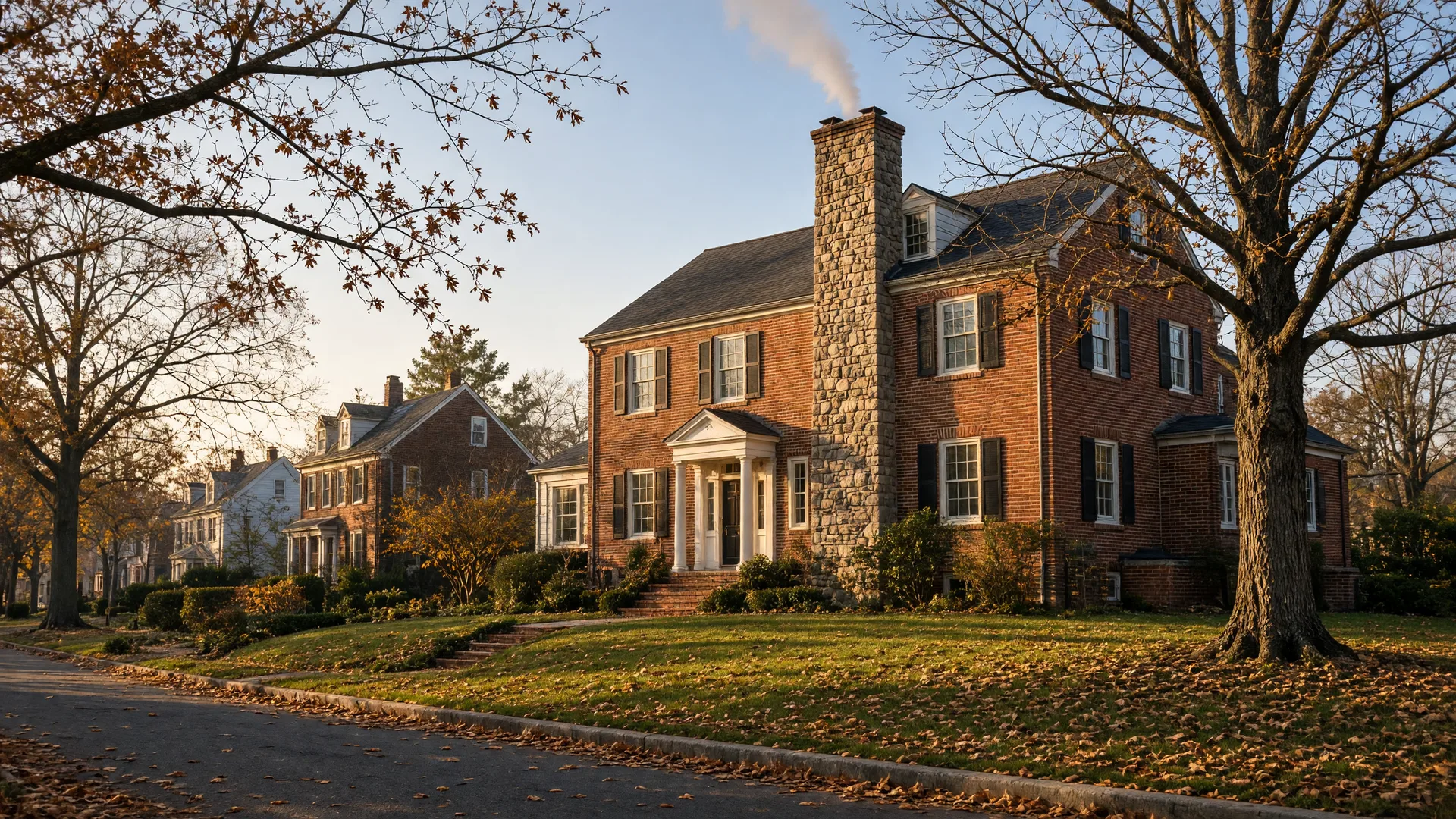
Most Cherry Hill homeowners think about their chimney exactly once a year: the first cold night they build a fire. That is also the moment creosote, the tar-like byproduct of burning wood, turns from an invisible buildup into a genuine fire hazard. The National Fire Protection Association's Standard 211 calls for an annual chimney inspection and a sweep whenever creosote builds to about an eighth of an inch, the thickness of two stacked dimes. This guide covers how often to clean your chimney, what a sweep costs in South Jersey, the checks to run before your first fire, and the signs that mean you need a repair or reline.
How often should you have your chimney cleaned in Cherry Hill?
When to sweep depends less on the calendar and more on how much you burn. The NFPA 211 rule is simple: inspect the chimney at least once a year, and sweep the flue whenever soot or creosote has built up to about 1/8 inch, regardless of when it was last cleaned. For the typical open fireplace burned several nights a week from November through March, that means an annual cleaning for most Cherry Hill households. A fireplace burned most winter weekends may even need a mid-season sweep; one lit only for a few holiday fires can sometimes go two seasons but still needs the yearly inspection.
Cherry Hill's 1950s-through-1970s colonials and split-levels, the houses that fill Woodcrest, Kingston Estates, Erlton, and Ashland, are full of original masonry fireplaces with clay-tile flues, and older chimneys tolerate neglect the least. Cracked tiles and missing mortar let heat reach the framing and smoke migrate into walls, and both hide until the damage is advanced. If you heat with a wood stove, plan on a sweep at least once a season; wood stoves produce the densest creosote of any appliance.
How much does chimney cleaning cost in South Jersey?
A standard chimney sweep that includes a Level 1 inspection typically runs about $160 to $300 in New Jersey, with most homeowners paying in the low-to-mid $200s. A Level 2 inspection, the video-camera exam of the flue interior recommended when a home is bought or sold, adds roughly $250 to $600. Standalone inspections without a cleaning run about $100 to $1,000, and if a cleaning turns up damage, repairs are quoted separately. The price moves with the depth of creosote, the number of flues, and the chimney's height and access.
Cherry Hill has chimney companies based right in town: A1 Chimney on Haddonfield Road, Chimney Professionals on Route 70, and Eagle Chimney Services on Springdale Road all serve the local market. A sweep's credentials matter more than its proximity: look for Chimney Safety Institute of America certification, and ask whether the quoted price includes the inspection, because the inspection is what keeps you safe. Measured against a chimney fire, which routinely causes tens of thousands of dollars in damage, a $250 annual sweep is the cheapest insurance in the house.
What does a chimney inspection actually cover?
Inspection levels tell you what you are paying for. A Level 1 inspection covers the readily accessible parts of the system: the firebox, damper, smoke chamber, the lower flue, and the exterior of the chimney, checked for soundness and for clearance from combustible materials. That is the annual baseline. A Level 2 goes further with a video camera lowered through the flue and checks of the attic and crawlspace; it is the level the NFPA recommends when a property changes hands, so flue damage becomes a negotiation item instead of a closing surprise. A Level 3 inspection removes portions of the chimney or wall and is reserved for events that may have seriously damaged the structure.
During the annual visit a good sweep checks the flue liner for cracks, the crown and cap for openings that let water in, the damper, the firebox mortar, the hearth's size, and clearances from combustibles. Water is the second-greatest threat after fire: rain through a cracked crown or missing cap rusts dampers, spalls brick, and weakens the stack.
What should you check before your first fire of the year?
- Look up the flue with a flashlight. Open the damper and study what you see: clean brick or a smooth liner is good, shiny tar-like or flaky black buildup is creosote that needs sweeping, and daylight through cracks means a damaged liner.
- Inspect the firebox. Mortar should be solid between firebricks; crumbling joints get repaired before you light a fire, not after.
- Test the draft before committing. Hold a lit piece of rolled newspaper at the damper opening. If the smoke rises steadily you are clear; if it blows back into the room, something, usually a nest or heavy creosote, is blocking the flue and you need a sweep first.
- Walk the outside of the house. The cap should be in place, bricks intact with no white efflorescence or crumbling faces, and no tree branches hanging over the stack.
- Burn only seasoned firewood. Split, stacked, and dried six to twelve months to under about 20 percent moisture; a $15 moisture meter ends the guesswork. Never burn painted or treated lumber, particle board, gift wrap, or cardboard, and avoid green wood, which makes the most smoke and creosote.
- Keep the hearth zone clear and use a screen or glass door. Confirm smoke detectors work and that your home has carbon monoxide alarms; New Jersey requires CO alarms within 10 feet of sleeping rooms in any home with a fireplace or other fuel-burning appliance, also covered in the furnace maintenance guide.
The fall home maintenance checklist sequences the chimney sweep alongside gutter cleaning, the sprinkler blowout, and the furnace tune-up so nothing slips.
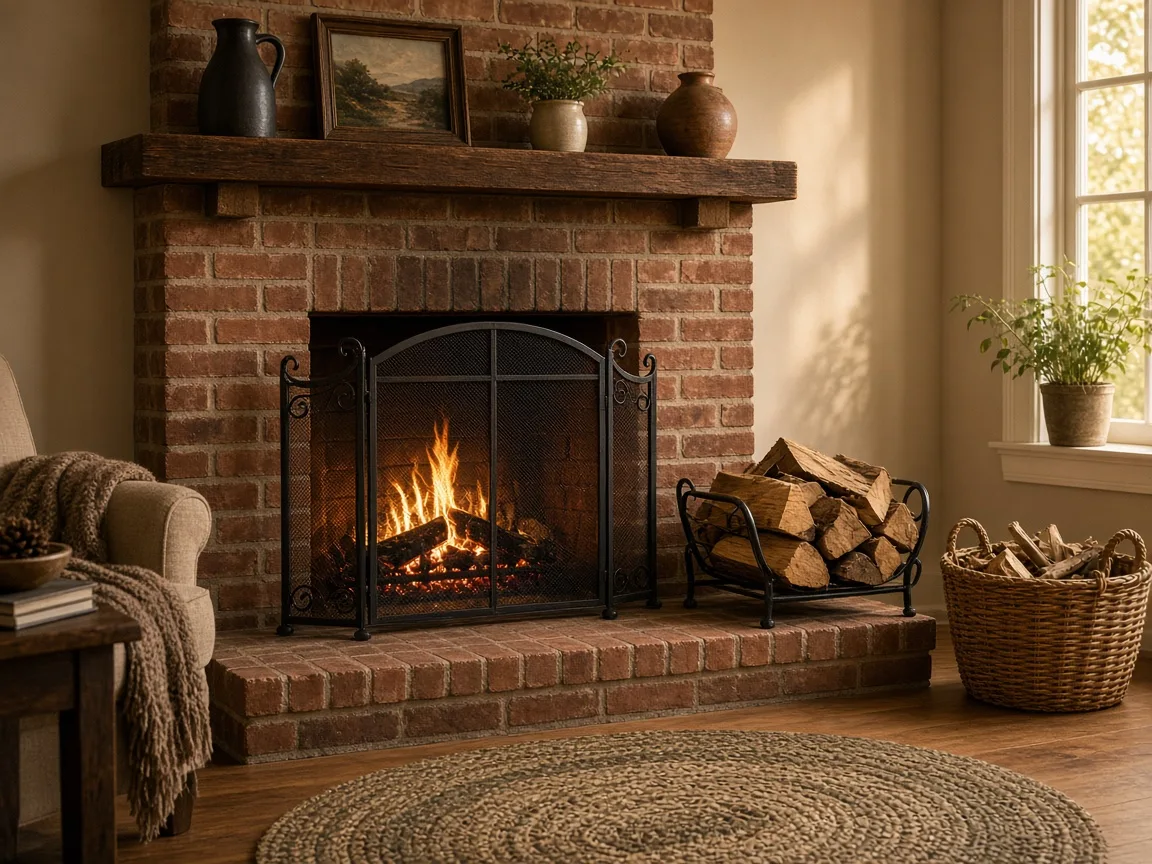
Screen in place, hearth clear, wood dry: most fireplace incidents never start.
How do you know if you have had a chimney fire?
Chimney fires are more common than people think and easy to miss. A slow burn can crack flue tiles and warp a damper unnoticed until the next inspection; a full-blown fire roars like a freight train and throws dense smoke and sparks. Afterward, the signs include puffy, popcorn-like creosote on the roof near the chimney, a warped or fused damper, cracked or missing flue tiles, and a heat-damaged rain cap. If you ever hear that roar, get everyone outside, call 911, and only then close the damper if you can reach it safely.
After any suspected chimney fire, do not light another fire until a sweep runs at least a Level 2 inspection. Standard homeowners policies typically cover chimney-fire damage, but coverage can hinge on your maintenance history, another reason to keep every inspection receipt. The homeowners insurance guide walks through the gaps in a Cherry Hill policy.
Do wood stoves and fireplace inserts need different care?
Yes, and the difference is usually more maintenance, not less. A wood stove burns hot and clean, good for efficiency but hard on the system: connector pipe, door gaskets, baffle, and in EPA-certified stoves the catalytic combustor all wear out. Wood stoves also produce the low-temperature smoke that forms glazed, hardened creosote in the chimney above the stove.
A fireplace insert, the stove-like box fitted into an existing masonry firebox, changes the math on an old open fireplace that lets much of its heat escape up the flue. A properly installed wood insert can roughly triple the usable heat from the same wood. Inserts still need the annual inspection, and because their flue runs through the original chimney, that chimney still needs the camera check. New Jersey limits new wood stove sales to EPA-certified models, a real drop in smoke and creosote versus 1980s-era stoves.
Do gas fireplaces need maintenance too?
Yes, and skipping it is why chimney professionals find corroded metal flues and sooty gas logs. A gas fireplace, vented log set, or direct-vent unit should be inspected annually: burner ports cleaned, pilot and thermocouple checked, logs placed per the manufacturer's layout, and the venting or flue confirmed intact. Misplaced gas logs can push flames against the back wall of the firebox.
Even a fireplace that never burns wood should have its flue checked yearly, because bird nests, downdrafts, and corroded liners do not care what you burn, and any gas appliance makes working CO alarms within 10 feet of bedrooms non-negotiable.
What are the signs you need a chimney repair or reline?
Routine sweeping and the occasional repair are expected costs of owning a masonry chimney. Act quickly on these signs: cracked flue tiles or gaps in a clay liner, which let heat and carbon monoxide reach the surrounding structure; white efflorescence or spalling brick, a sign water is getting in and freezing; a leaning chimney; a rusted damper; and water stains near the fireplace. The most common structural fix is a stainless steel liner, typically about $2,500 to $5,000 depending on height and condition, far less than rebuilding the stack, and often what insurers require when the old clay flue fails.
If you are buying a home with a fireplace, make the chimney inspection part of your due diligence and ask for the video. Buyers in Cherry Hill commonly negotiate flue relines and crown repairs as closing credits, and the first-time buyer guide covers the other inspections worth paying for. Until a licensed sweep signs off on a damaged stack, retire that fireplace and find another way to warm the room.
Frequently Asked Questions
How often should my chimney be cleaned?
The NFPA's Standard 211 says to inspect every chimney at least once a year and sweep whenever soot or creosote builds to about 1/8 inch, the thickness of two stacked dimes. For a wood-burning fireplace used most weekends in Cherry Hill, that means an annual sweep.
How much does chimney cleaning cost?
A standard sweep with a Level 1 inspection typically costs $160 to $300 in New Jersey. A Level 2 video inspection runs about $250 to $600, and standalone inspections range from $100 to $1,000 depending on the level of service.
Can I clean my own chimney?
The right-size brush and rods can handle a lightly used flue, and many homeowners do it. But the annual value is the inspection: a professional sees cracked tiles, failing mortar, and liner gaps you will not, and the wrong-size brush can damage the flue. If you brush it yourself, still pay a certified sweep for the annual inspection.
What does creosote buildup look like?
Creosote appears black and flaky, brown and tarry, or shiny and hardened like lacquer. A lingering smoky smell, a poor draft, and visible buildup in the firebox all point to creosote that needs sweeping.
Does homeowners insurance cover chimney fires?
Most standard homeowners policies cover chimney-fire damage, including the chimney, roof, and structure, but claims can hinge on whether the chimney was maintained and inspected. Keep your sweep receipts and inspection reports on file.
Do I need a chimney inspection when buying a home in Cherry Hill?
Yes. The NFPA recommends a Level 2 video inspection when a property changes hands, and Cherry Hill buyers routinely negotiate flue relines and crown repairs as closing credits. Ask the seller for the most recent inspection report before you make an offer.
Does a gas fireplace need its chimney cleaned?
Yes, an annual inspection still applies. Corrosion, bird nests, and sooty or misplaced gas logs are real risks even without wood smoke, and the venting must be checked for carbon monoxide safety.
Keep Exploring Cherry Hill
More homeowner guides from Bob Millaway to help you love where you live.
Written by Bob Millaway
Your Cherry Hill community expert. Have questions about Cherry Hill? Contact Bob Millaway at 856.426.1522 or get in touch.